Arusha National Park
- Home
- Arusha National Park
Arusha National Park Overview
An Arusha National Park Safari Tanzania offers visitors a chance to explore one of the most scenic and diverse parks in northern Tanzania. Arusha NP is located in the Arusha Region of northeastern Tanzania and covers Mount Meru, a prominent volcanic mountain that rises to 4,566 meters above sea level.
Although the park is relatively small compared with other national parks in Tanzania, it offers remarkable landscape diversity. The area features forests, lakes, volcanic craters, and open grasslands. Because of this variety, visitors experience a rich combination of wildlife, scenery, and outdoor activities during an Arusha National Park safari Tanzania.
The park lies along a 300-kilometre safari axis that connects some of Africa’s most famous protected areas. This route stretches from Serengeti National Park and Ngorongoro Crater in the west to Kilimanjaro National Park in the east.
Arusha National Park is also one of the most accessible parks in Tanzania. It is located only 25 km east of Arusha City, about 58 km from Moshi, and roughly 35 km from Kilimanjaro International Airport (KIA). Because of this convenient location, many travelers include an Arusha National Park safari Tanzania as a day trip before or after a longer northern circuit safari.
For additional information about the park, travelers can also visit the official Tanzania National Parks Authority website:
https://www.tanzaniaparks.go.tz
.
Wildlife in Arusha NP
An ArushaNP Safari Tanzania offers a rich variety of wildlife, although the park does not provide the same large-scale game viewing found in bigger parks such as Serengeti.
However, the park still supports many animals commonly seen during safari drives or walking safaris.
Visitors frequently see:
Giraffes
Cape buffalo
Zebras
Warthogs
Bushbucks
Elephants
Birdlife
Arusha National Park is also a paradise for birdwatchers, with more than 400 recorded bird species. Highlights include flamingos on the Momella Lakes, African fish eagles, crowned eagles, turacos, hornbills, and numerous migratory birds. The park’s diverse habitats provide excellent birdwatching opportunities throughout the year.
This remarkable variety of wildlife, combined with breathtaking views of Mount Meru, lush forests, scenic lakes, and the possibility of walking safaris, makes an Arusha National Park Safari Tanzania an ideal introduction to Tanzania’s northern safari circuit.

Why Visit Arusha National Park Safari Tanzania
Many travelers choose an Arusha National Park Safari Tanzania because it offers a combination of wildlife, landscapes, and outdoor activities within a short distance from Arusha City.
Unlike larger safari parks, Arusha National Park allows visitors to enjoy activities such as:
Walking safaris
Canoeing on Momella Lakes
Wildlife viewing
Mount Meru trekking
Birdwatching tours
Because of its proximity to Arusha, Moshi, and Kilimanjaro International Airport, the park is ideal for day trips or short safaris before exploring Tanzania’s larger parks
Black-and-White Colobus Monkeys
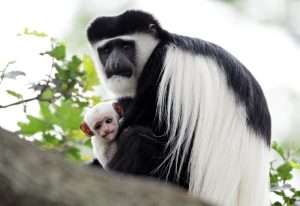
One of the most unique wildlife highlights of an Arusha National Park Safari Tanzania is the opportunity to see the rare black-and-white colobus monkey. Arusha National Park is one of the few places in northern Tanzania where these striking primates are commonly observed. Recognizable by their long white mantle, bushy white tail, and contrasting black fur, colobus monkeys spend most of their time in the forest canopy feeding on leaves, fruits, and flowers. They are frequently seen in the lush montane forests on the slopes of Mount Meru, where they move gracefully between trees in family groups. For wildlife enthusiasts and photographers, spotting the black-and-white colobus monkey is often one of the most memorable experiences during an Arusha National Park safari, adding a unique primate encounter that is rarely found in other parks on Tanzania’s northern safari circuit.

Landscapes of Arusha NP
One of the most unique aspects of an Arusha National Park Safari Tanzania is the park’s dramatic and varied landscapes. The park contains three main ecological areas, each offering different scenery and wildlife habitats.
Mount Meru and Meru Crater
In the western section of the park lies Mount Meru, Tanzania’s second-highest mountain after Mount Kilimanjaro. The mountain forms a spectacular volcanic landscape that dominates the park.
The Meru Crater funnels the Jekukumia River, while the summit ridge surrounds the volcanic structure. From several viewpoints within the park, visitors can also see Mount Kilimanjaro, located about 60 km to the east.
Ngurdoto Crater
In the southeastern part of the park lies Ngurdoto Crater, often called the “Little Ngorongoro.” This crater contains open grasslands and swampy areas that attract grazing wildlife.
Because of its enclosed nature, the crater creates an ideal habitat for several species of animals and birds.
Momella Lakes
In the northeastern section of the park, visitors find the beautiful Momella Lakes. These shallow alkaline lakes display different shades of color due to changing algae levels.
The lakes attract many wading birds, including flamingos and other waterbirds, making them an excellent location for birdwatching and photography